
7 月 27, 2026
I’m a safety consultant, and three weeks ago, a printing plant called me in. Their workers had been complaining of headaches and mild nausea for months, mostly in the afternoon. The ventilation system was brand new. Air monitors showed total VOCs within limits. Everyone was confused. 😕
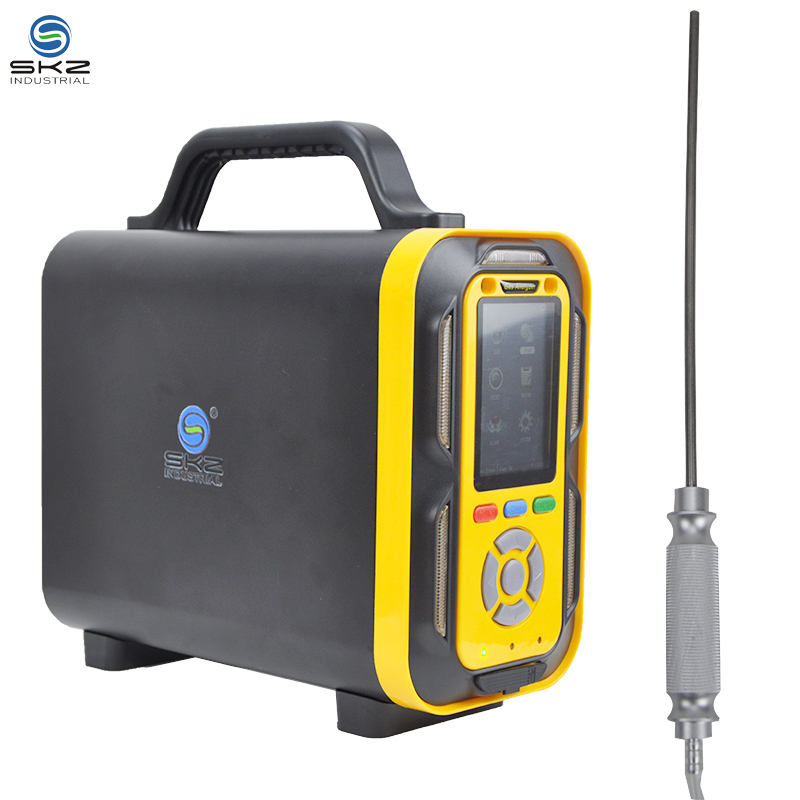
I walked in with my go‑to field tool – the SKZ1050D. It’s small enough to hold in one hand, but here’s why I love it: instead of just giving me one big “total gas” number, I can install up to 3 separate detection modules, each with its own pump and dedicated air inlet. That means I can measure different gases side‑by‑side without them interfering with each other.
I loaded three modules: one for toluene, one for xylene, one for ethyl acetate – the main solvents used in their inks. Then I started walking around the shop floor.
At 10 AM, all readings were normal. At 11:30, the toluene module suddenly spiked – but xylene and ethyl acetate stayed flat. I traced the signal to a drying oven that was running 15°C hotter than its setpoint. That extra heat was vaporizing toluene from the freshly coated sheets, and the exhaust hood wasn’t capturing it fast enough.
We recalibrated the oven temperature and added a small local extractor. The next day, headache complaints dropped by 80%. No expensive renovations. No guesswork.
Since then, I’ve used the SKZ1050D for boiler flue analysis, car exhaust checks, and even indoor air quality in newly painted apartments. It can detect 1 to 18 gases – you just pick the modules that match your job. But the real win is the independent channels: one gas never fools another, so you always know what you’re actually breathing. 🌱
 Chinese
  English
  Home
Home
 Products
 Email
Email
 WhatsApp