
10 月 05, 2026
Derek has worked at a country grain elevator for nearly a decade. Every harvest season, the silos are fumigated with phosphine to protect stored grain from insects. After the waiting period, the crew opens the hatch, runs the ventilation fan, and checks the fixed gas monitor on the catwalk. If it shows green, they go in.
Last October, everything looked routine. The monitor was green. The supervisor gave the nod. Two workers were already grabbing their shovels.
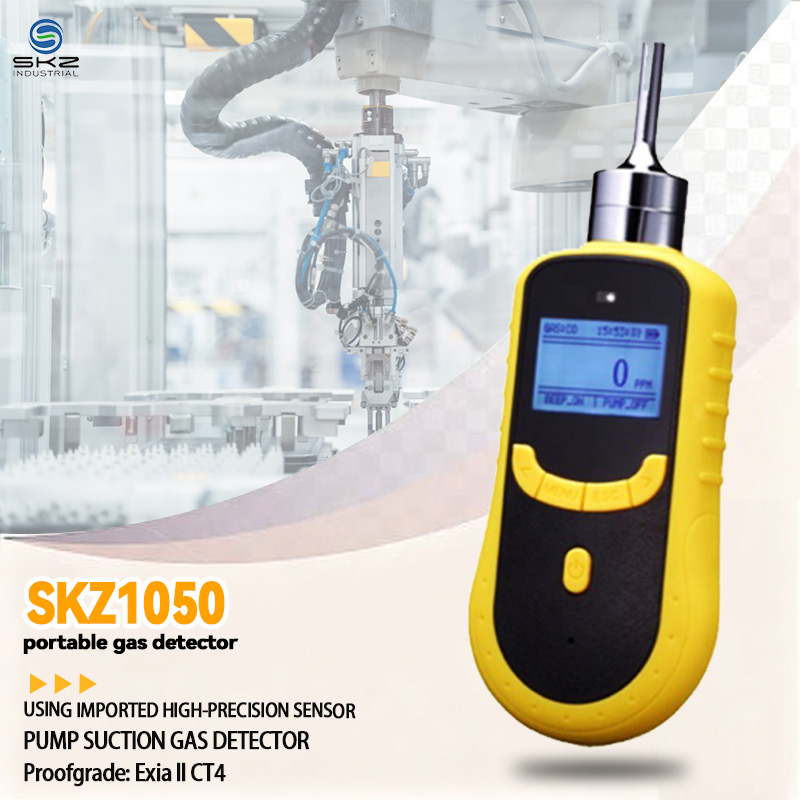
But Derek had a habit from his early training: never enter a confined space without a personal check. He unclipped his SKZ1050 gas detector from his lanyard – a compact unit with a high‑strength engineering plastic shell that has survived grain dust, drops onto concrete, and years of rough handling.
He lowered it into the open hatch on a sampling line and pressed the button. The built‑in pump started pulling air from deep inside the silo at a strong, steady flow. Within two seconds, the display flashed. Phosphine – a pocket of it, trapped beneath a crusted layer of grain. The fixed monitor on the catwalk had missed it completely.
Derek yelled for everyone to step back. The crew ventilated the silo for another full shift. Later, a supervisor admitted the gas had likely been sitting in a dead pocket for days. No one entered. No one got hurt. The harvest continued – just a little later than planned.
That evening, Derek didn’t tell anyone he’d saved a life. He just wiped the dust off his SKZ1050 and clipped it back onto his lanyard. Because in his world, the best safety tool isn’t the loudest one – it’s the one that tells the truth before you step inside. 💛
 Chinese
  English
  Home
Home
 Products
 Email
Email
 WhatsApp