
8 月 04, 2026
Omar is the second engineer on a cargo vessel crossing the North Sea. His world is the engine room – a labyrinth of hot pipes, thrumming diesels, and the constant smell of fuel oil. After fourteen days at sea, you learn to ignore the noise and the heat.
One evening, during a routine inspection of the auxiliary generator, Omar noticed the fixed combustible gas sensor showed a steady green light. His logbook recorded “all systems nominal.” But something in his gut told him to double‑check.
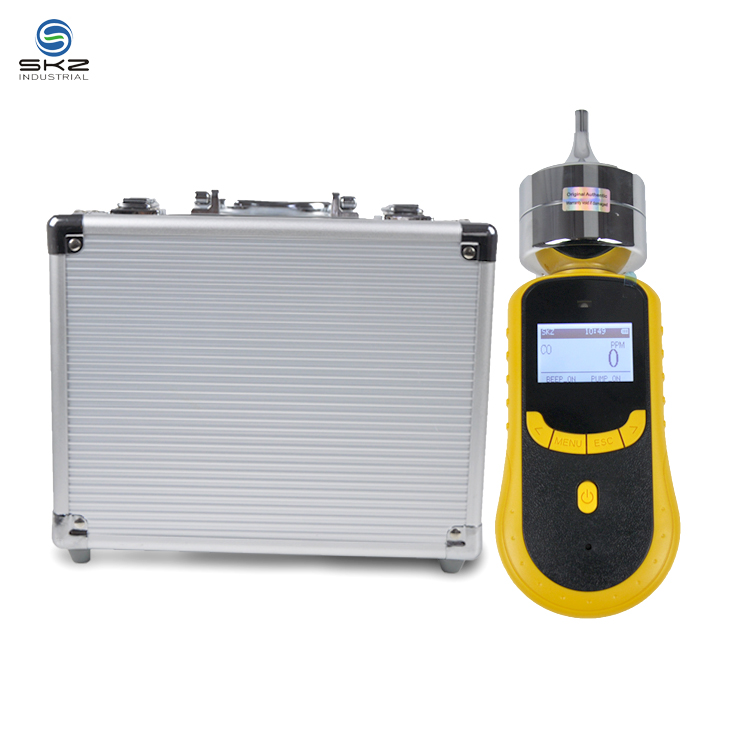
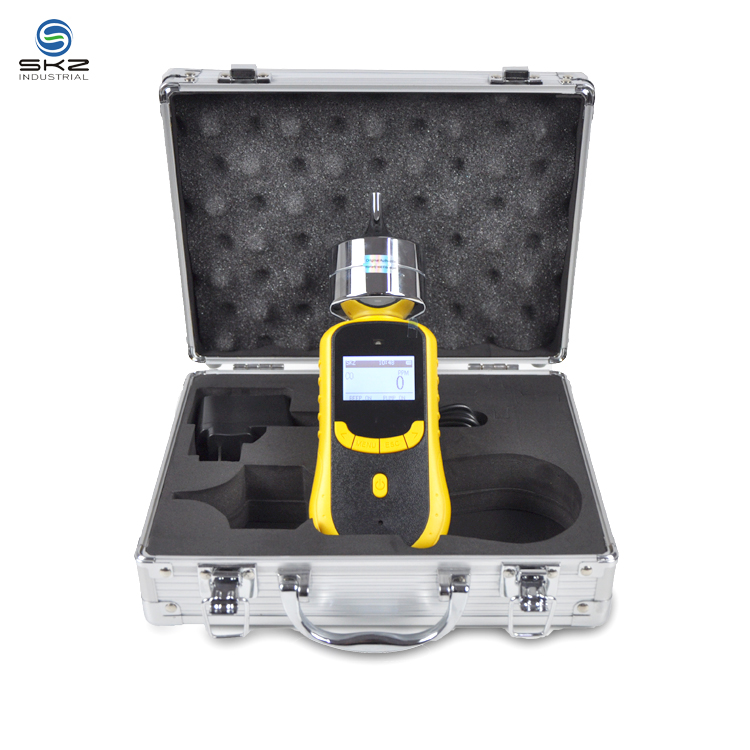
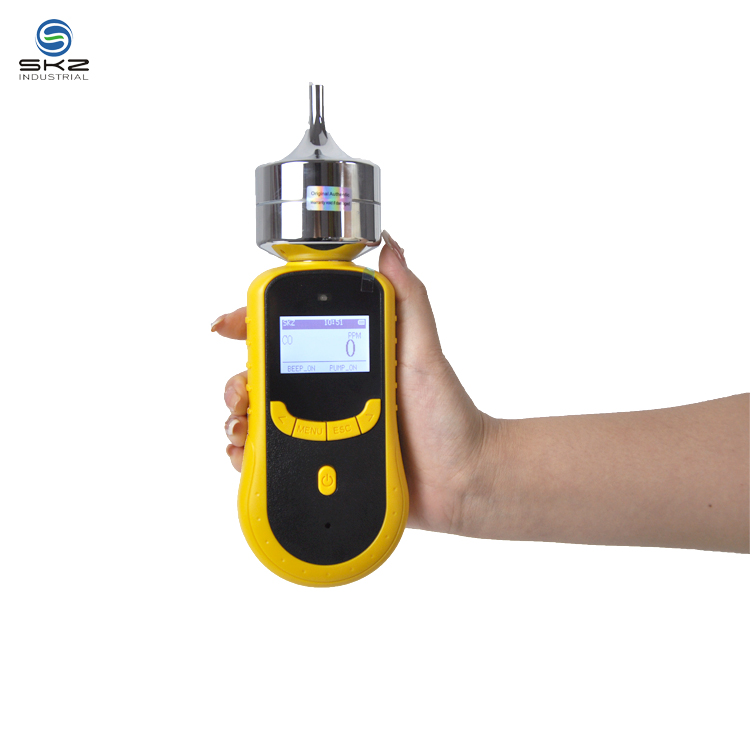
He reached for his SKZ1050 gas detector – a device small enough to slip into his coverall pocket, yet built with a high‑strength engineering plastic shell that resists oil, salt spray, and accidental drops on steel decks.
He powered it on and held it near a fuel line flange. The built‑in sampling pump hummed to life, pulling air at a strong, steady flow. Within two seconds, the display flickered – a measurable concentration of hydrocarbon vapour was seeping from a microscopic crack in a welded joint. Not enough to trigger the ship’s fixed monitor, but enough to become a serious fire risk in the confined, hot engine space.
Omar shut down the generator, isolated the line, and reported the fault. The crack was welded the next morning during a port call. No alarm, no panic – just a quiet prevention that kept the ship safe for another voyage.
Later, over a cup of coffee in the mess, the captain said, “Good instincts.” Omar smiled and patted his pocket. “Not instincts,” he said. “This little thing.” Because in his job, the difference between a smooth sailing and a disaster often comes down to a tool that doesn’t guess – it measures. 🧡
👇 Do you work in enclosed spaces where fixed monitors might miss the real threat?
Comment “OMAR” and we’ll DM you a special safety bundle offer – because the best warnings come from the devices you carry with you.
 Chinese
  English
  Home
Home
 Products
 Email
Email
 WhatsApp