
7 月 13, 2026
Rosa is a utility technician for a city power company. Part of her job involves inspecting underground cable vaults – cramped, dark concrete boxes beneath busy streets.
Last Tuesday, she and her partner opened a manhole cover for a routine check. A faint, sweetish odor drifted up. Her partner shrugged: “Probably just road runoff, happens all the time.”
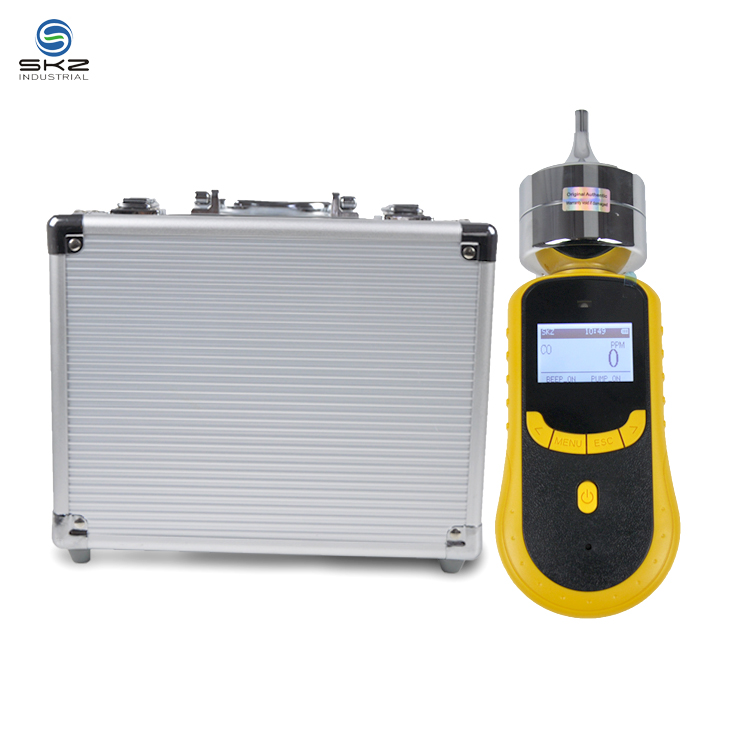
But Rosa remembered a safety bulletin about sewer gases seeping into old utility tunnels. She reached into her pocket and pulled out her SKZ1050 gas detector – a device so compact it barely weighs anything, yet rugged enough to withstand drops and scrapes thanks to its high‑strength engineering plastic shell.
She switched it on. The built‑in sampling pump whirred, pulling air with a strong, steady flow. Within four seconds – fast enough to catch a transient puff – the display locked onto a reading: hydrogen sulphide at a concerning level, just below the immediate danger threshold, but rising.
Rosa slammed the hatch shut, called for ventilation, and flagged the area for environmental crews. Later, they traced the source to a cracked sewer line running parallel to the vault – a slow leak that could have turned deadly if anyone had lingered.
Her partner now carries an SKZ1050 of his own. He says Rosa’s little device “talked” before anyone could smell the real danger. 💙
👇 Do you work in places where the air tells no obvious story?
Comment “ROSA” and we’ll DM you a special starter bundle – because the best alarms are the ones you hear before you feel anything.
 Chinese
  English
  Home
Home
 Products
 Email
Email
 WhatsApp