
7 月 14, 2026
Sam works at a landfill gas recovery plant – where mountains of waste are turned into clean energy. Every day, he walks across acres of covered refuse, checking wells and pipes that capture methane. It’s a routine job, but Sam never treats it as one.
Last Tuesday, he was doing a standard walk‑around near an old collection header. The air smelled exactly like it always does – earthy, slightly musty, nothing unusual. His handheld gas monitor from the company was showing green lights. But Sam had learned years ago that double‑checking never hurts.
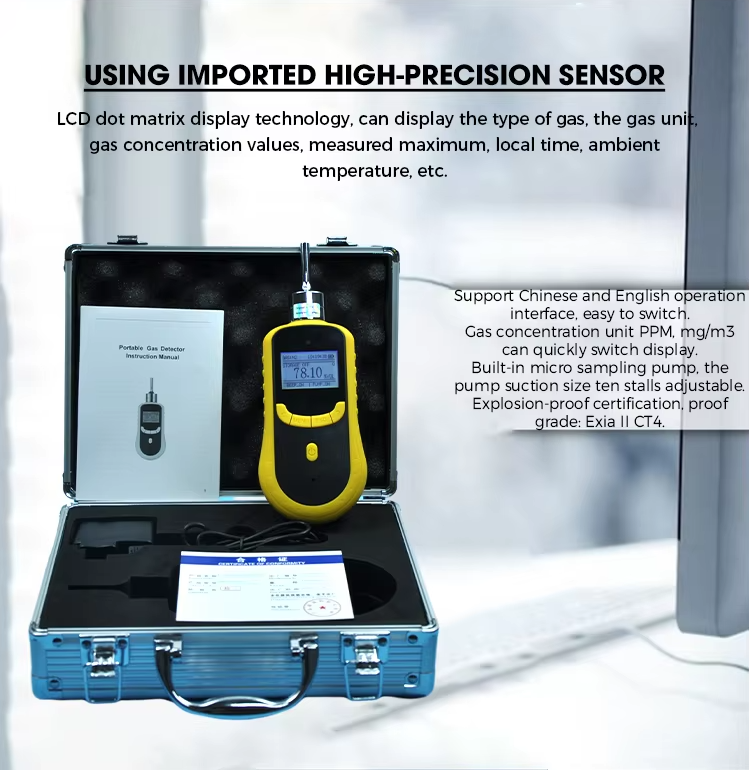
He pulled out his personal SKZ1050 gas detector – a tool so compact it fits in his vest pocket, yet rugged enough to handle dust, moisture, and the occasional bump against steel fittings, thanks to its high‑strength engineering plastic shell.
He powered it on, and the built‑in sampling pump started working immediately – large flow, fast response. Within two seconds, the digital screen blinked a reading that made him stop. A small but steady methane concentration was building up near a joint that the fixed system hadn’t flagged yet.
Sam radioed the control room, isolated the section, and called for a repair crew. They found a tiny crack in a rubber seal – too small to see, but big enough to turn dangerous over time. Within an hour, it was fixed. No alarm, no panic – just a quiet, professional catch.
That evening, Sam wiped the dust off his SKZ1050 and clipped it back on his belt. He didn’t think of it as “safety equipment.” He thought of it as a second opinion – the one that never assumes, never rushes, and always tells the truth. 💚
👇 Ever had a “second opinion” tool that saved you from a bad day? Or work in an environment where you can’t always trust your nose?
Comment “SAM” and we’ll DM you a special bundle price – because the best time to detect danger is before it becomes a headline.
 Chinese
  English
  Home
Home
 Products
 Email
Email
 WhatsApp