
Jun 29, 2026
Jake was the new guy – fresh out of trade school, eager but quiet. His first week at the chemical plant, he was paired with Marcus, a veteran operator who could diagnose a pipe’s mood just by tapping it.
On their third day, they did a routine walk‑around of a storage tank area. Marcus sniffed the air, nodded, and said, “All good. Let’s move.”
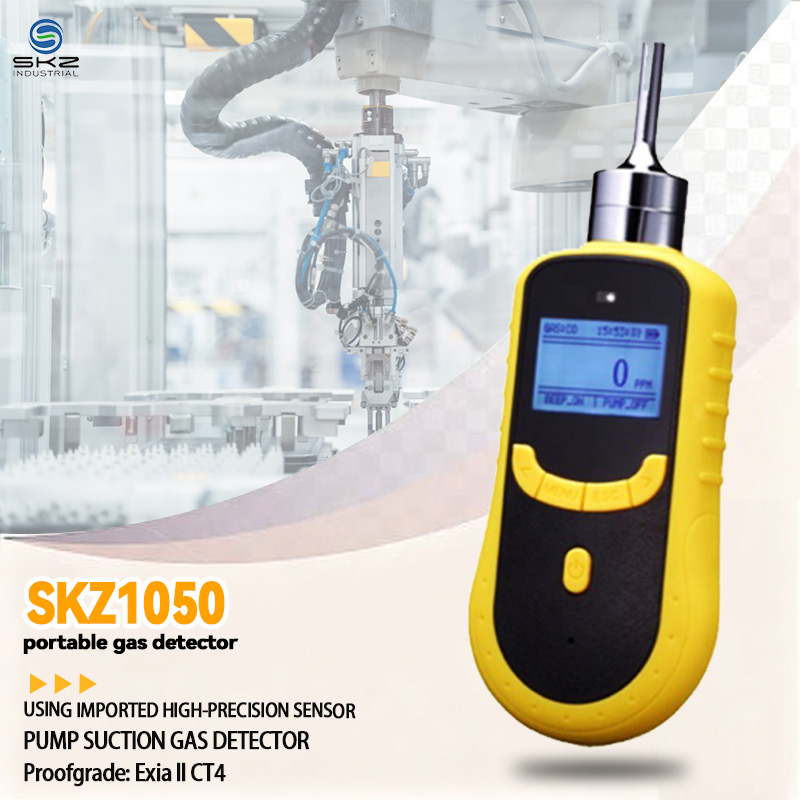
But Jake had been taught one thing: trust the tool, not your nose. He pulled out his SKZ1050 gas detector – a small, rugged device that fit easily in his palm, its high‑strength plastic shell already scuffed from practice drops. He switched it on out of habit.
The built‑in sampling pump whirred softly – powerful, fast, pulling air from the base of a valve. Within seconds, the digital readout flickered and climbed. A slow, invisible hydrogen sulfide leak – too faint for Marcus’s experienced nose, but crystal clear to the SKZ1050.
Jake called a stop. They evacuated the area, isolated the valve, and vented the space. What could have been a nasty incident turned into a quiet repair job.
Marcus clapped him on the shoulder later. “Good catch, kid.” But Jake knew the real credit went to the little device that didn’t hesitate – fast, accurate, and reliable when it mattered most. 🧡
👇 Know a rookie who deserves a safety edge? Or a veteran who’s seen it all?
Comment “JAKE” and we’ll DM you a special team bundle price – because every shift deserves a second pair of eyes.
#GasDetector #SKZ1050 #SafetyFirst #RookieStory #IndustrialSafety #PortableDetector #WorkplaceWisdom
 English
  Chinese
  Home
Home
 Products
 Email
Email
 WhatsApp